

Lost Keys is a music-led listening practice.
It’s built from long-form DJ mixes created in response to real internal states. Not genres, trends, or algorithms. Each mix begins in a lived moment: calm, restless, heavy, energised, unsettled, open. The full range of experience is welcome.
The intention isn’t to change how you feel. It’s to meet what’s already there and create space for it to move. There are no instructions or analysis. You simply listen, notice, and take what you need, or nothing at all.

There are moments that often don’t translate cleanly into words. Pressure. Noise. Low mood. Restlessness. A sense of being slightly off, etc..
Music has always been one of the ways I’ve been able to recognise and move through those moments. Not by fixing them, but by staying with them long enough for something to shift.
Lost Keys grew out of that relationship with sound. It exists because listening can sometimes do what language can’t.
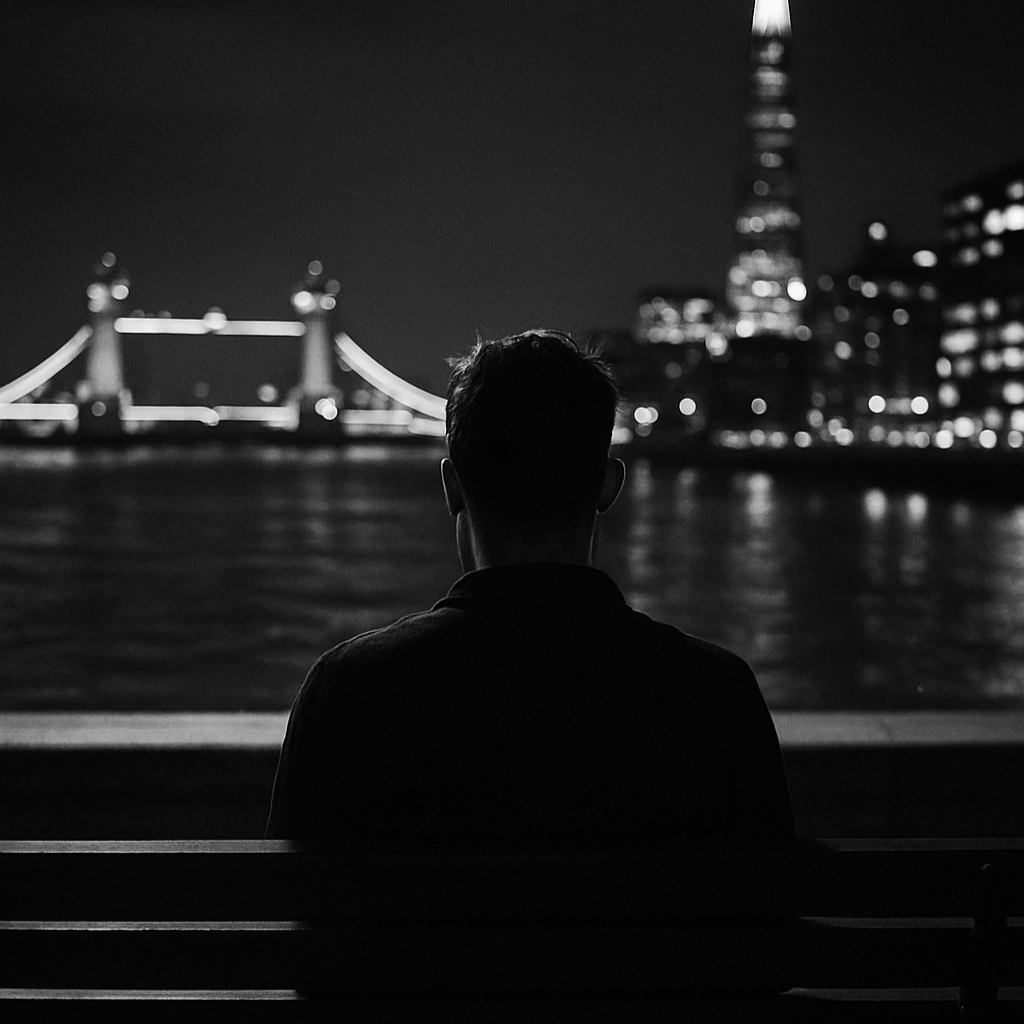

Most listening experiences are built around preference: genre, mood labels, recommendations, optimisation. Lost Keys isn’t.
The mixes aren’t designed to keep your attention, play to trends, or predict what you’ll like. They are shaped by internal state, by what’s needed in the moment rather than what’s expected.
This makes the experience grounded, less directive, and more personal. The same mix can land differently depending on when you return to it. That change, and noticing the change is part of the practice.
The work is organised into three Experience Rooms, each one reflecting a different way music can meet you.
You don’t choose based on genre.
You choose based on recognition.
-
Stillness, reflection, vulnerability.
For moments that call for space, restraint, and quiet attention. -
Raw, experimental, unsettled movement. For restlessness, release, and letting the body lead.
-
Energy, connection, immersive release. For shared momentum, presence, and being carried by sound.


Each mix begins with a simple question: “What do I need right now?”
Sometimes the answer is pace and movement. Sometimes unpredictability. Sometimes restraint, space, or silence between sounds. Sometimes the answer doesn’t reveal itself until it does.
There’s no fixed structure or destination. The music takes shape instinctively, guided by how it feels rather than how it should sound.
Alongside each mix are Track Notes. They’re not explanations or guides. They don’t tell you what to feel or how to listen.
They capture the headspace and context the mix came from. A record of the moment it was made. Over time, they become a way to see how your relationship with the same music can change.


Lost Keys isn’t therapy. It doesn’t offer advice, answers, or promises.
It’s simply a space to spend time with music. To notice what’s happening inside you, and to return if it feels familiar or useful.
No fixing. No forcing. No expectation.


Lost Keys isn’t a finished body of work. It’s an archive shaped by moments as they happen. Older mixes don’t stay fixed — they shift as your relationship to them changes. What once felt grounding may later feel distant. What once felt chaotic may later make sense.
Lost Keys is built to allow for that movement, not resist it.
Where to Start
If you’re new to this, start anywhere.
Choose a room that feels close to where you are right now. Listen once, and return later.
Let the experience unfold at your own pace.