
a listening experience created by DJ & Producer Matt Arneaud
a listening experience created by DJ & Producer Matt Arneaud
A chapter is a real moment in time, captured through music. It might come from a feeling, an experience, a place, a person, or a period of life that meant something to me. The moment comes first, and the music becomes a way of stepping back into it, exploring what it felt like, and preserving it. Some chapters are about understanding what happened. Others are simply about remembering how it felt.
Every chapter begins with something real.
every chapter starts with a moment
A chapter is a real moment in time, captured through music. It might come from a feeling, an experience, a place, a person, or a period of life that meant something to me. The moment comes first, and the music becomes a way of stepping back into it, exploring what it felt like, and preserving it. Some chapters are about understanding what happened. Others are simply about remembering how it felt.
Every chapter begins with something real.
every chapter starts with a moment
Some feelings are difficult to explain while we are living through them, but music can hold what words cannot. A song, a melody, a rhythm or a combination of sounds can take us back to a moment and preserve not only what happened, but how it felt. When we return to that music, the music has stayed the same, but we have changed. We hear it differently because we are no longer the person who created it.
The music stays. We change.
music can hold what words can’t
music can hold what words can’t
Some feelings are difficult to explain while we are living through them, but music can hold what words cannot. A song, a melody, a rhythm or a combination of sounds can take us back to a moment and preserve not only what happened, but how it felt. When we return to that music, the music has stayed the same, but we have changed. We hear it differently because we are no longer the person who created it.
The music stays. We change.
Lost Keys has three pathways, they are not genres or moods, but different places we find ourselves and things we might need from music. Solitude is for sitting with what we feel when alone. Motion is for moving through what we feel when we need to release and keep going. Connection is for sharing what we feel through the people, places and moments that bring us together. Each pathway contains chapters rooted in something real, with a journal behind the music.
three ways into the experience
three ways into the experience
Lost Keys has three pathways, they are not genres or moods, but different places we find ourselves and things we might need from music. Solitude is for sitting with what we feel when alone. Motion is for moving through what we feel when we need to release and keep going. Connection is for sharing what we feel through the people, places and moments that bring us together. Each pathway contains chapters rooted in something real, with a journal behind the music.
the pathway is the doorway
the chapter is the experience
the journal remembers the story
Explore the Pathways and the music within
Explore the Pathways and the music within

Want to know where the music came from?
Every Chapter Has a Story
There is a Journal alongside each chapter. The Journals tell the story behind each chapter, and why it became a chapter in the first place.

Journals
About Lost Keys.
Behind the keys
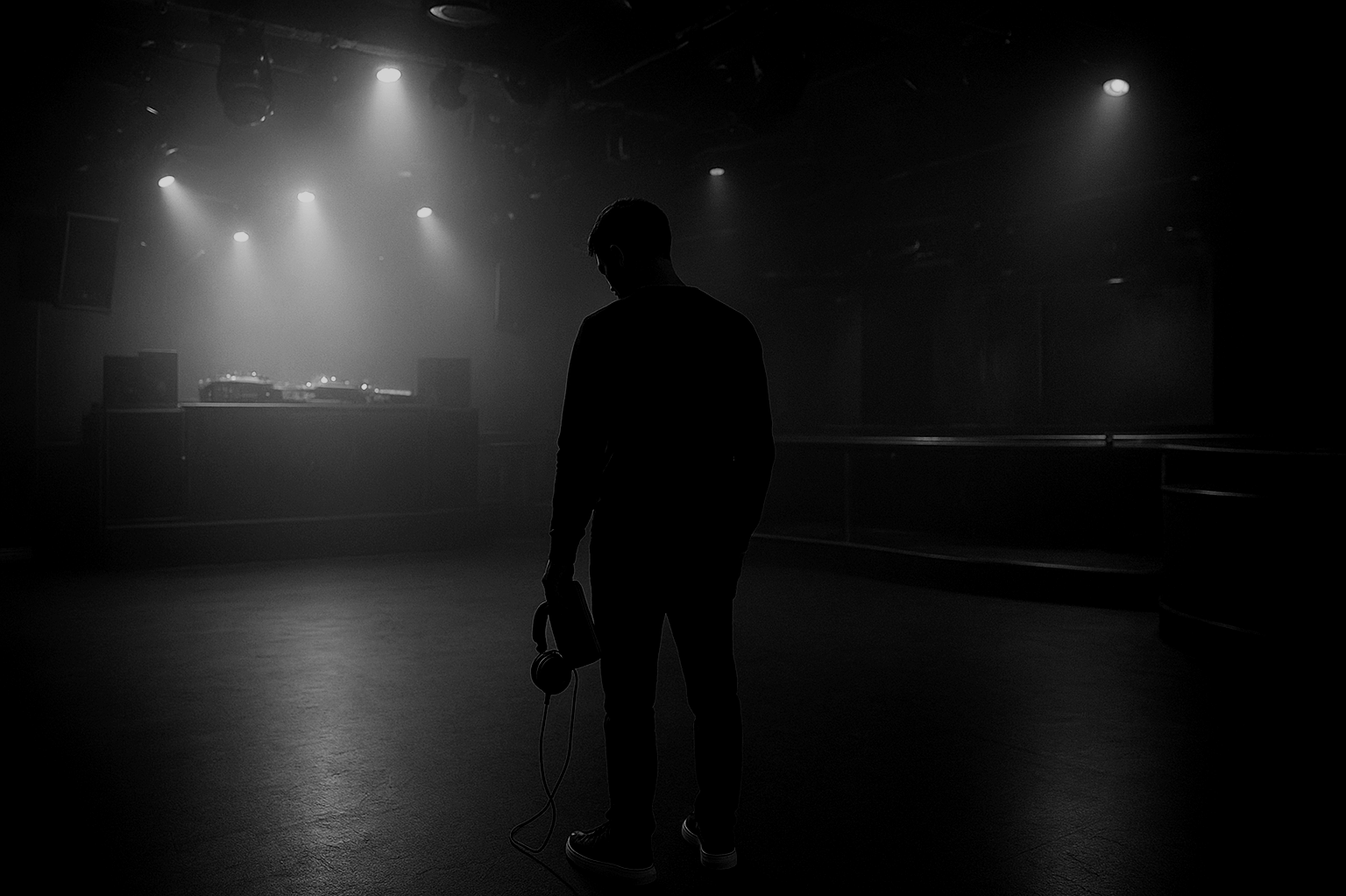
Lost Keys began with a simple relationship between my life and music. Music has always given me a way to process moments, hold onto memories and experience things that words sometimes can't quite express.
The chapters are where those moments become music. The journals are where I record what was really happening behind them; the thoughts, feelings and circumstances that gave the music its reason to exist.